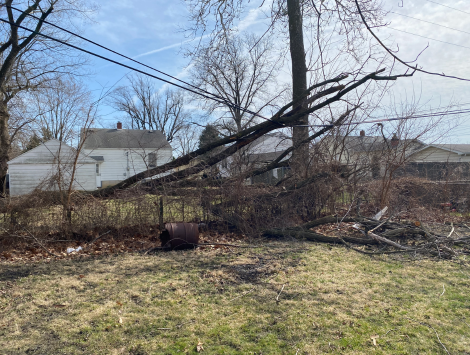
Smart Steps for Safer, Cleaner Canopies in Mixed Urban and Rural Properties
Assess the site first, because every tree job lives or dies on the initial read. Walk the property boundary to record access points, overhead utilities, and soil firmness. Identify species, age class, and obvious defects like cavities or co-dominant stems. Map traffic patterns, pets, and public walkways. This baseline guides whether Tree Trimming, structural reduction, or full removal belongs in the plan, and it frames the stakes for safety and timing.
Scope decisions next by prioritizing risk zones over aesthetics. Rank targets such as roofs, lines, play areas, and entrances. Determine if defects are progressive or stable, and whether pruning will relieve load paths. For compromised canopies, Tree Removal may be the prudent option when mitigation cannot realistically reduce exposure. Tie each action to a clear objective like clearance, longevity, or storm-hardening rather than vague improvement.
Stage the workflow to minimize rework and site disturbance. Heavy work like felling, rigging, and crown reductions should happen before finesse cuts. Position mats where turf or soft soils need protection. Plan chipper placement, log deck, and traffic lanes so machines never cross utilities or irrigation. Meanwhile, assign one person to manage drop zones and keep pedestrians away from active operations without blocking emergency egress.
Align tools and methods with tree biology to avoid unnecessary damage. Sharp, clean cuts at the branch collar support compartmentalization, while torn fibers invite decay. For Tree Pruning that reduces wind sail, favor smaller, distributed cuts over single large removals. In practice, thinning should preserve interior foliage to maintain energy production. On removals, use progressive rigging to control load and protect nearby structures from shock.
Verify underground and overhead hazards before digging, grinding, or hauling. Mark utilities, document dripline boundaries, and flag septic or drainage features. When Stump Grinding is specified, set depth targets that consider future planting or paving and ensure chips are either removed or redistributed thoughtfully. Beyond that, check for surface roots that might intersect sidewalks or curbs where heave is already a concern.
Maintain a clean site through deliberate debris handling. Chip brush as it’s produced to reduce clutter and trip risks. Sort logs by diameter if reuse or milling is anticipated, and keep soil separate from organics to streamline hauling. Dump truck services can be scheduled in windows that avoid school traffic and neighbor peak hours. Then verify that final cleanup includes raking, magnet sweeping for metal, and gate re-latching.
Refine budget expectations by tying cost drivers to scope, access, and risk rather than vague size estimates. Tight backyards, long rigging lines, or tree defects that complicate tying-in add labor and time. Excavation related to root issues or grade corrections also affects pricing. If staging over multiple visits helps cash flow, validate that seasonal timing still supports plant health and doesn’t amplify storm vulnerability.
Inspect compliance requirements early to prevent after-the-fact surprises. Some municipalities regulate removals, heritage species, or street trees. Homeowners’ associations may set hours or noise limits. Document permissions, photo preexisting damage, and secure utility notifications when near energized lines. For trees adjacent to hospitals or schools, buffer work windows to reduce disruption, and log all communications for future reference.
Sequence post-work care to sustain tree health and site stability. Mulch rings, proper watering, and soil decompaction under former equipment paths can accelerate recovery. Validate that pruning does not exceed thresholds that stress the tree heading into heat or cold. If a new planting replaces a removal, calibrate species selection to canopy goals, root space, and sun exposure so the cycle of corrective cutting doesn’t repeat.
Finally, plan follow-ups with clear triggers. Schedule inspections after major storms, set reminders for young tree training cuts at two- to three-year intervals, and revisit mature canopies before seasonal winds. Tree Service providers can also advise when a light touch suffices versus a heavier intervention. When in doubt, ask for a written scope that distinguishes Tree Pruning for structure from aesthetic shaping, and keep those notes for continuity.